

Related content
- Sep 20, 2026Electronic Load Trends Shaping Battery and EV Power-Test Investment DecisionsSunwin Electronic Load trends are reshaping battery and EV power-test investments. Explore smarter, scalable solutions for realistic testing, energy efficiency, and reliable data.
- Sep 14, 2026What to Check Before Buying a Rack Mounted Load Bank for Data Center TestingSunwin Rack Mounted Load Bank buying guide for data center testing: compare electrical ratings, load steps, cooling, controls, safety, and installation needs before ordering.
- Sep 09, 2026Resistive Load Banks Explained: When Pure Resistive Testing Is the Right ChoiceSunwin Resistive Load Bank testing explained: discover when pure resistive loads verify generator, UPS, battery, and power-system capacity with confidence.
- Sep 07, 2026Choosing a DC Load Bank for Battery Discharge Testing: Key Ratings to CompareSunwin DC Load Bank selection made simple: compare voltage range, continuous power, control modes, thermal limits, safety protection, and data logging for accurate battery discharge tests.
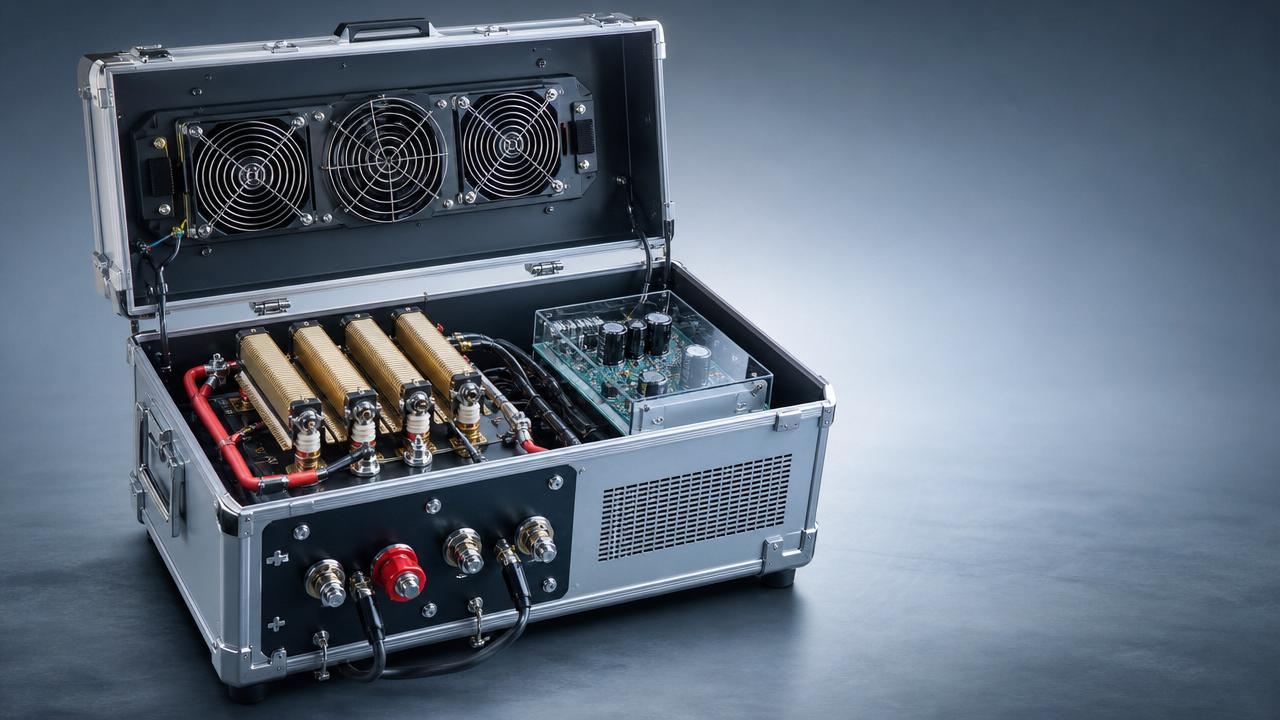
Portable Load Bank upkeep is becoming a frontline reliability issue
Keeping a Portable Load Bank in peak condition now matters more than routine housekeeping.
Field testing schedules are tighter, power systems are more complex, and downtime costs rise faster than maintenance budgets.
A neglected Portable Load Bank can distort readings, overheat resistor assemblies, and interrupt critical verification work.
That is why maintenance is shifting from reactive repair toward planned reliability control.
For resistive and capacitive test environments, accuracy depends on clean airflow, stable connections, and healthy switching components.
This guide explains what is changing, why it matters, and how better Portable Load Bank care reduces interruptions.
Service expectations are rising as test equipment works harder
Portable Load Bank use is expanding across generator testing, battery discharge validation, UPS checks, and power distribution commissioning.
Many units now move between sites, climates, and duty cycles that were once handled by fixed systems.
This mobility creates new maintenance pressure.
Dust enters enclosures more often, cable strain increases, cooling paths clog faster, and connectors face repeated handling.
At the same time, users expect each Portable Load Bank to deliver repeatable results without lengthy inspection delays.
In the resistor and capacitor sector, that trend is especially visible where load profiles must remain stable during sensitive testing.
Signals that maintenance standards are changing
- More demand for shorter service windows between test jobs.
- Higher emphasis on thermal stability in resistive load elements.
- Greater use of digital monitoring, fans, relays, and protective circuits.
- Stricter expectations for safe operation in portable applications.
- Rising attention to recordkeeping for maintenance traceability.
The main drivers behind Portable Load Bank maintenance trends
Several factors are pushing maintenance from a basic checklist into a performance discipline.
What these changes mean for daily operation and service continuity
The biggest impact is that small faults now create larger disruptions.
A blocked intake screen can elevate temperature, trip protection, and cancel a scheduled generator or battery test.
A loose lug can introduce resistance, skew load steps, and create unsafe hot spots.
When a Portable Load Bank supports capacitor bank or grounding resistor related verification, precision becomes even more important.
Unstable performance can affect diagnosis quality, not only test speed.
The maintenance burden also shifts across workflow stages.
- Before testing, inspection time must be fast but thorough.
- During testing, cooling and control behavior need observation.
- After testing, cleaning and documentation protect the next deployment.
The most effective Portable Load Bank maintenance priorities today
Not every task has equal value.
The following maintenance priorities usually deliver the fastest downtime reduction.
1. Protect airflow and heat dissipation
Resistive load elements depend on consistent cooling.
Inspect fan blades, motor noise, airflow direction, guards, and vent openings at regular intervals.
Remove dust using dry compressed air carefully, while preventing debris from being pushed deeper into components.
If a Portable Load Bank works in outdoor or construction environments, shorten cleaning intervals.
2. Check resistor assemblies for discoloration or distortion
In the resistor and capacitor industry, thermal evidence often appears before electrical failure.
Look for warped resistor grids, cracked insulators, burnt odor, uneven coloration, or broken supports.
These signs suggest overload, cooling restriction, or connection problems.
3. Verify all high-current connections
Portable use increases the chance of loosened hardware.
Inspect terminals, busbars, cable lugs, switch contacts, and internal link points for tightness and heat marks.
Follow torque guidance where available, and replace damaged connectors instead of forcing reuse.
4. Test controls, meters, and protective devices
A Portable Load Bank is only as useful as its control response.
Confirm switches engage correctly, relays operate cleanly, displays read consistently, and alarms trigger under test conditions.
Pay special attention to emergency stop, overtemperature protection, and fan failure alarms.
5. Maintain insulation and grounding integrity
Portable equipment often sees rough surfaces, moisture, and repeated connection cycles.
Check insulation condition, cable jacket wear, entry gland sealing, and grounding continuity before field deployment.
This matters when the Portable Load Bank is used near grounding resistor cabinets or temporary power setups.
A practical inspection rhythm reduces failures better than occasional deep service
Many reliability gains come from timing, not only from technical depth.
What deserves closer attention as equipment designs continue to evolve
Portable Load Bank designs are becoming more compact, more intelligent, and more specialized.
That creates several new maintenance watchpoints.
- Higher component density means less tolerance for blocked airflow.
- Electronic controls require cleaner internal conditions than older manual units.
- Rack mounted and portable hybrid systems need both transport checks and installation checks.
- Liquid cooling load bank concepts raise additional attention to seals and coolant paths.
- Battery load tester functions may demand closer validation of measurement accuracy.
Maintenance teams should not assume older routines fully match newer equipment architectures.
The best response is a simple, documented, and repeatable care strategy
The strongest maintenance strategy is usually the one that can be repeated without delay.
- Create a pre-use Portable Load Bank checklist with pass or fail items.
- Record temperature issues, fan noise, contact discoloration, and load step anomalies.
- Keep spare connectors, filters, fans, and common electrical hardware ready.
- Separate light cleaning tasks from deeper electrical inspection tasks.
- Review maintenance data to spot repeated failure patterns by site or application.
This approach supports reliability across resistive load bank, electronics load bank, and other power test configurations.
A well-maintained Portable Load Bank supports faster testing and safer results
Portable Load Bank maintenance is no longer a minor backroom task.
It directly shapes uptime, test credibility, thermal safety, and service readiness.
As workloads increase and equipment becomes more advanced, small inspection habits deliver major operational value.
Start with airflow, resistor condition, electrical connections, protection checks, and disciplined records.
A Portable Load Bank that receives consistent care will perform more accurately and stay available when urgent testing begins.
For the next step, review current maintenance intervals and compare them with actual site conditions, transport frequency, and duty cycles.
That small adjustment often reveals the fastest path to lower downtime.


Please give us a message
